
Why Hire Alan Natalie for Your Case
- Years of Litigation Experience
- Extensive Recognition & Awards
- Exceptional Client Reviews
- Honest Representation & Available 24/7
Safeguard Your Health Care Wishes and Medical Interventions With the Help of an Advance Directives Attorney in Erie, PA

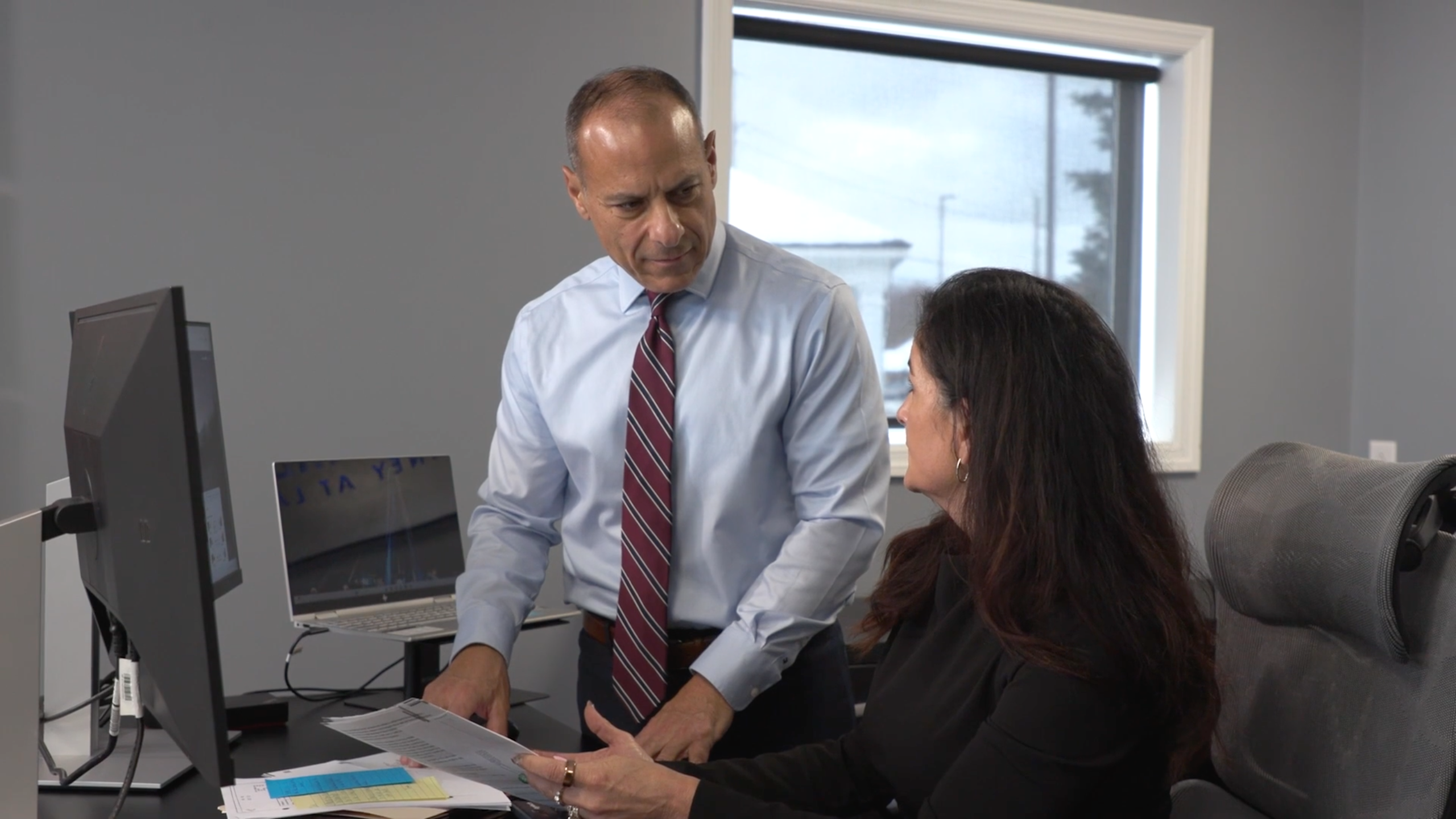
Planning ahead for medical care can be one of the most meaningful gifts a person can give to their loved ones. An advance directive allows individuals to express their medical treatment preferences clearly and ensure those wishes are honored when they cannot speak for themselves. As an Erie County advance directive lawyer, Alan Natalie, Attorney at Law, provides compassionate, experienced guidance to help clients create thorough and legally enforceable advance directives that protect their autonomy and give peace of mind to their families.
Advance directives are valuable in many situations, and they give you a voice in your own care decisions even when you’re too ill or too badly injured to verbalize your wishes. For help drafting an effective advance directive and other estate planning documents, contact Alan Natalie, Attorney At Law, today for a free consultation.
When life’s legal challenges require experienced advocacy, clients turn to attorney Alan Natalie.
What Is an Advance Directive?
An advance directive is a legal document that outlines a person’s wishes for medical treatment if they become incapacitated or unable to communicate.
This document serves as a roadmap for doctors, hospitals, and family members, ensuring that care decisions reflect the patient’s values and preferences rather than leaving loved ones to make painful choices under pressure.
In Pennsylvania, an advance directive generally includes two distinct components:
- Living will: Specifies what kinds of medical care and life-sustaining treatments a person does or does not want if they are terminally ill or permanently unconscious
- Health care power of attorney (also known as health care proxy): Designates a trusted individual to make medical decisions on the person’s behalf if they are unable to do so.
Together, these documents form a comprehensive plan that preserves personal dignity and ensures medical care aligns with the person’s own beliefs and choices.
What an Advance Directive Accomplishes
Creating an advance directive allows individuals to make their own medical decisions in advance, while they are able to think clearly and communicate their preferences.
These documents accomplish several important objectives:
- Ensure control over medical care even during incapacity
- Prevent disputes among family members by making the person’s wishes clear
- Guide physicians in providing or withholding life-sustaining treatments
- Reduce emotional strain on loved ones who might otherwise be forced to make agonizing choices
By working with an advance directives attorney in Erie, PA, individuals can be confident that their instructions are properly drafted and legally valid under Pennsylvania law.
Why Having an Advance Directive Matters
Without an advance directive, critical health care decisions are often left in the hands of relatives who may not know what their loved one would have wanted. This uncertainty can lead to family conflict and emotional turmoil during already stressful times.
An Erie County advance directive lawyer helps clients think through complex medical scenarios and articulate their choices clearly. Advance directives are especially valuable for people who:
- Have a serious or terminal illness and want to outline end-of-life care preferences
- Have strong religious or personal beliefs about medical treatment
- Want to limit or decline certain medical interventions, such as being kept alive indefinitely on machines
- Wish to relieve family members from the burden of making difficult medical decisions without guidance
Having these documents in place ensures that care decisions honor the individual’s values and protect loved ones from unnecessary conflict or guilt.
Types of Medical Treatments Addressed in an Advance Directive
An advance directive can specify a wide range of medical treatments, allowing a person to accept, refuse, or limit particular interventions. Common topics include:
- Cardiopulmonary resuscitation (CPR): Whether to attempt resuscitation if breathing or heartbeat stops
- Mechanical ventilation: Whether to use breathing machines to sustain life
- Artificial nutrition and hydration: Whether to implement feeding tubes or IV fluids when a person cannot eat or drink naturally.
- Dialysis: Whether to provide treatment for kidney failure.
- Pain management and palliative care: What preferences the individual has for comfort measures and symptom relief
- Antibiotics and blood transfusions: Whether to use these interventions under certain conditions
- Organ donation and tissue donation: What instructions should be followed for any intended posthumous medical contributions
By detailing these choices, an individual ensures that their medical care reflects their values, religious beliefs, and comfort preferences.
Who Should Have an Advance Directive?
Every adult in Pennsylvania should consider having an advance directive. These estate planning documents aren’t relevant only to older adults or those facing illness. Unexpected accidents or sudden medical emergencies can happen at any time. Having an advance directive ensures that no matter the circumstances, healthcare providers and family members have clear direction.
Individuals who are single, married, parents, caregivers, or living with chronic conditions can all benefit from the protection these documents offer. Consulting an advance directives attorney in Erie, PA, ensures those documents are tailored to each person’s circumstances and fully compliant with Pennsylvania’s healthcare laws.
How to Establish an Advance Directive
Creating an advance directive involves more than filling out a form. It requires thoughtful consideration and proper legal execution and should ideally be undertaken with the guidance of experienced legal counsel. The process typically includes:
- Consultation and discussion: The attorney helps the client reflect on values, beliefs, and medical preferences.
- Preparation of documents: The attorney drafts a living will and healthcare power of attorney that express those preferences clearly and accurately.
- Execution and witnessing: The attorney ensures the documents meet Pennsylvania’s legal standards for signatures, witnesses, and, when appropriate, notarization.
- Distribution: The attorney provides copies of the advance directive to physicians, family members, and designated healthcare agents.
An Erie County advance directive lawyer ensures that all these steps are handled carefully so the documents are valid, enforceable, and readily available when needed.
The Benefits of Professional Legal Assistance in Putting Advance Directives in Place
While Pennsylvania offers standard forms for living wills and healthcare powers of attorney, these templates often leave out crucial details or fail to address unique personal situations.
Working with a skilled Erie County advance directive lawyer offers significant advantages:
- Legal accuracy: Ensures all formalities required under Pennsylvania law are met
- Clarity and comprehensiveness: Avoids vague or conflicting language that could lead to confusion
- Customization: Tailors documents to reflect specific medical preferences and family dynamics
- Conflict prevention: Anticipates potential disagreements and structures documents to minimize disputes.
- Coordination with other legal instruments: Aligns advance directives with wills, trusts, and financial powers of attorney.
Professional legal guidance transforms a generic form into a reliable, legally sound plan that protects clients and their families.
How Alan Natalie, Attorney At Law, Can Help
Alan Natalie, Attorney at Law, has extensive experience guiding Erie County clients through the process of planning and protecting their healthcare wishes. As an advance directives attorney in Erie, PA, the firm provides a comprehensive, client-focused approach that includes:
- Personalized guidance to identify each client’s goals, beliefs, and concerns about medical treatment
- Detailed drafting of living wills and healthcare powers of attorney that reflect those values
- Integration with broader estate plans, ensuring consistency among wills, trusts, and powers of attorney
- Assistance for families in understanding and implementing existing advance directives when a loved one becomes incapacitated
- Periodic review and updates as circumstances, relationships, or health conditions change
With decades of legal experience, Attorney Alan Natalie ensures that every document is crafted to protect clients’ rights, minimize disputes, and provide peace of mind to families throughout Erie County and beyond.
Common Myths About Advance Directives
Despite their importance, many people delay creating an advance directive because of persistent misunderstandings about what these documents do and don’t do. As an Erie County advance directive lawyer and a trusted resource for the community, Alan Natalie, Attorney At Law is committed to setting the record straight and combating these misconceptions so that individuals throughout Northwestern Pennsylvania understand how an advance directive truly protects their rights.
Here are some of the most common myths, and the facts behind them:
Myth: Advance Directives Are Only for the Elderly or the Terminally Ill.
Fact: Every adult can benefit from having an advance directive. Accidents or sudden illnesses can happen at any age. Having a clear plan in place ensures that a person’s healthcare wishes are honored, regardless of age or current health.
Myth: Signing an Advance Directive Means Refusing Treatment or Choosing “Do Not Resuscitate.”
Fact: Advance directives do not automatically limit or deny care. They simply record what a person wants, whether that’s full medical intervention, comfort-focused care, or something in between. The document ensures that healthcare providers follow the individual’s own preferences, not someone else’s assumptions.
Myth: Creating an Advance Directive Means Giving Up Control Over Medical Decisions.
Fact: An advance directive actually strengthens a person’s control. As long as an individual can communicate, they continue to make their own medical choices. The directive only takes effect when they cannot, and it ensures their prior decisions guide care in those situations.
Myth: A Financial Power of Attorney Covers Medical Decisions.
Fact: In Pennsylvania, a financial power of attorney gives authority over financial and property matters, not medical treatment. To make healthcare choices on someone’s behalf, a separate health care power of attorney (sometimes called a health care proxy) must be created as part of the advance directive.
Myth: Family Members or Doctors Already Know What I Want, so a Written Directive Isn’t Necessary.
Fact: Even when families believe they know a loved one’s wishes, stressful circumstances and differing opinions can lead to confusion or disagreement. A written advance directive removes uncertainty by providing clear, legal instructions that healthcare providers must follow.
By addressing these myths, Alan Natalie, Attorney At Law helps clients feel confident that preparing an advance directive is not only sensible but empowering. It’s a proactive step toward protecting both themselves and their families.
How Advance Directives Help Loved Ones
An advance directive provides clarity and comfort during some of life’s most difficult moments. When a person becomes unable to make medical decisions, their family can refer to the directive with confidence, knowing they are following their loved one’s expressed wishes.
This not only honors the incapacitated person’s autonomy but also spares family members from guilt, uncertainty, and emotional distress.
For families in Erie County, working with a knowledgeable attorney ensures that these important documents are properly drafted, stored, and communicated, so loved ones have clear direction when it matters most.
Why Choose Alan Natalie, Attorney At Law to Craft an Advance Directive That Meets Your Needs
With the thoughtful planning and experienced legal assistance that Alan Natalie, Attorney At Law provides, individuals can rest assured that their voices will be heard, even when they cannot speak for themselves. Find out for yourself why clients throughout Pennsylvania turn to this trusted law firm for assistance in preparing advance directives and other estate planning documents.
Serving Erie County Clients for Over Three Decades
Attorney Alan Natalie has provided experienced, personalized guidance to families throughout Pennsylvania as a solo practitioner since 1996.
Blended Experience Across Estate, Injury, and Trial Law
A diverse background in personal injury, criminal defense, and estate law enhances Attorney Natalie’s ability to anticipate complex issues and craft practical, effective legal solutions.
Recognized Legal Leadership
The law firm is locally and professionally respected, with Attorney Natalie having earned recognition through Erie’s Choice “Best Attorney 2025” award and published legal victories in Pennsylvania estate litigation journals.
A Firm Built for Families, Not Files
Clients work directly with Attorney Alan Natalie and his long-time paralegal, Suzanne, ensuring every matter receives individual attention and continuity of care.
These qualities make Alan Natalie, Attorney at Law, a trusted choice for anyone seeking an experienced, compassionate Erie County advance directive lawyer who understands both the legal and emotional complexities of advance healthcare planning.
Contact Alan Natalie, Attorney At Law Today for a Free Consultation and Find Out How an Advance Directive Offers Peace of Mind
Creating an advance directive is one of the most important steps an individual can take to protect their dignity and ensure their medical care aligns with their wishes. To learn more about establishing a living will, healthcare power of attorney, or other essential estate planning documents, contact Alan Natalie, Attorney at Law online or call 814-622-4511 today. The consultation is free, private, and without risk or obligation.